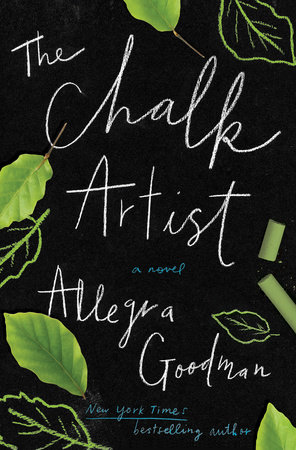
I literally just closed the final page of The Chalk Artist and felt compelled to write about it immediately. Reading this book, released last month by New York Times bestselling author Allegra Goodman, is an oddly emotional experience. The story is beautifully written – every character is fully developed – and you find yourself truly engaged in the lives of each of the main characters: Nina, an idealistic young teacher; Collin, a charming artist who prefers to use chalk as his medium; and teenage twins Aidan and Diana who are struggling to find themselves. Each is unique and engaging in their own way – fighting private battles as they determine who they are and what matters to them. The Chalk Artist is a love story but also a social commentary about class differences, about potential and possibility and about the reality of the world we live in.
 All of the primary characters in the novel are in some way impacted by the world of gaming – Nina’s father runs Arkadia, a video game company where she helps to get Collin a job because she sees his potential. Nina wants nothing to do with the world that only exists online and Collin finds himself unable to balance his life outside of work. They struggle to find each other as she works to prove herself as a teacher and he works to prove himself worthy of her confidence. Aidan is obsessed with Arkadia’s new game that creates an alternate reality for him to redefine himself. His sister Diana feels like she is losing her brother and herself as his obsession grows and she is forced to figure out who she is separate from her twin. I’m not a video game fan, nor do I read much sci-fi, and despite the above description – this story isn’t focused on either. Arkadia is more like an integral part of the backdrop for which the rest of the story takes place. Each of the characters is forced to figure out who they are and how they impact each other – both actually and virtually.
The thing that resonated most with me was the question of how we define who we are and when, if ever, we should give others the power to help define us. Nina comes from money and privilege. She doesn’t have to work but becomes a teacher because she believes in the power to make a difference. However, she questions whether she is good enough to teach. Collin is broke, a college drop-out and enjoys art most when he can erase his images he makes with chalk. Why? I believe he is hesitant to make things permanent, to allow others to judge his work and to make a real commitment to anything. They see something in each other that they can not quite see in themselves and they struggle to find compromise, to respect differences and to encourage without controlling or delegitimizing.
As I read this book, I kept asking myself the following questions: how to we determine our own worth? Who measures happiness and success? How do we know when we are reaching too far or holding ourselves back? When do we hide and when do we let people see who we really are? The characters in the book each go on a journey – metaphorically speaking – in an attempt to answer these questions and the outcomes, though at times unexpected, are authentic and believable. These are characters you want to root for – event as they occasionally make monumental mistakes – because you can see yourself in their struggles and, more importantly, in their triumphs.
 Have you Read the One About....?